Blackjack Online: Rules, Strategy and Real Money Play
Last reviewed and updated: February 2026 · Reading time: ~14 minutes

Last reviewed and updated: February 2026 · Reading time: ~14 minutes
«A transparent review of online blackjack begins with fine print, game mechanics and statutory conditions rather than glossy bonus banners. Real player value sits in clear terms, verifiable payout ratios and rigorous bankroll discipline within your own jurisdiction.» — Claire Bennett, Senior iGaming Editorial Desk. Claire has spent more than a decade auditing casino terms and conditions, payout reports and RNG certification documents across Tier-1 and offshore markets.
Blackjack is one of the most durable casino games on the planet, and the reason is not nostalgia. It has a low baseline house edge and a decision structure you can actually learn. In Australia, playing blackjack online means dealing with two separate things at once: the probability maths inside the game, and the national framework set by the Interactive Gambling Act 2001 (IGA). According to the Australian Communications and Media Authority (ACMA, 2024), real-money online casino services offered without an Australian state or territory licence are classified as prohibited interactive gambling services.
«Between January and March 2024 the ACMA requested blocking of 52 illegal gambling websites, most of them offering casino games such as blackjack, roulette and poker.» — ACMA, Action on interactive gambling: January to March 2024 (2024). https://www.acma.gov.au/action-interactive-gambling-january-march-2024
So an honest look at blackjack online involves three checks: operational transparency, software integrity, and how far a mathematical strategy can realistically take you inside strict risk limits. Not far enough to beat the house, as it happens. Far enough to matter.
Want to study blackjack in a lower-risk environment first? Demo modes and licensed game formats are documented on our iGaming casino hub. Read the terms, weightings and limits before your first stake.
Blackjack is a banking card game where each player competes individually against the dealer, aiming for a hand value as close to 21 as possible without going over. Players are not playing one another. Every hand at the table is judged only against the dealer's hand, using standard 52-card decks. Readers comparing formats and table variants can review the available online casino game categories before committing funds.
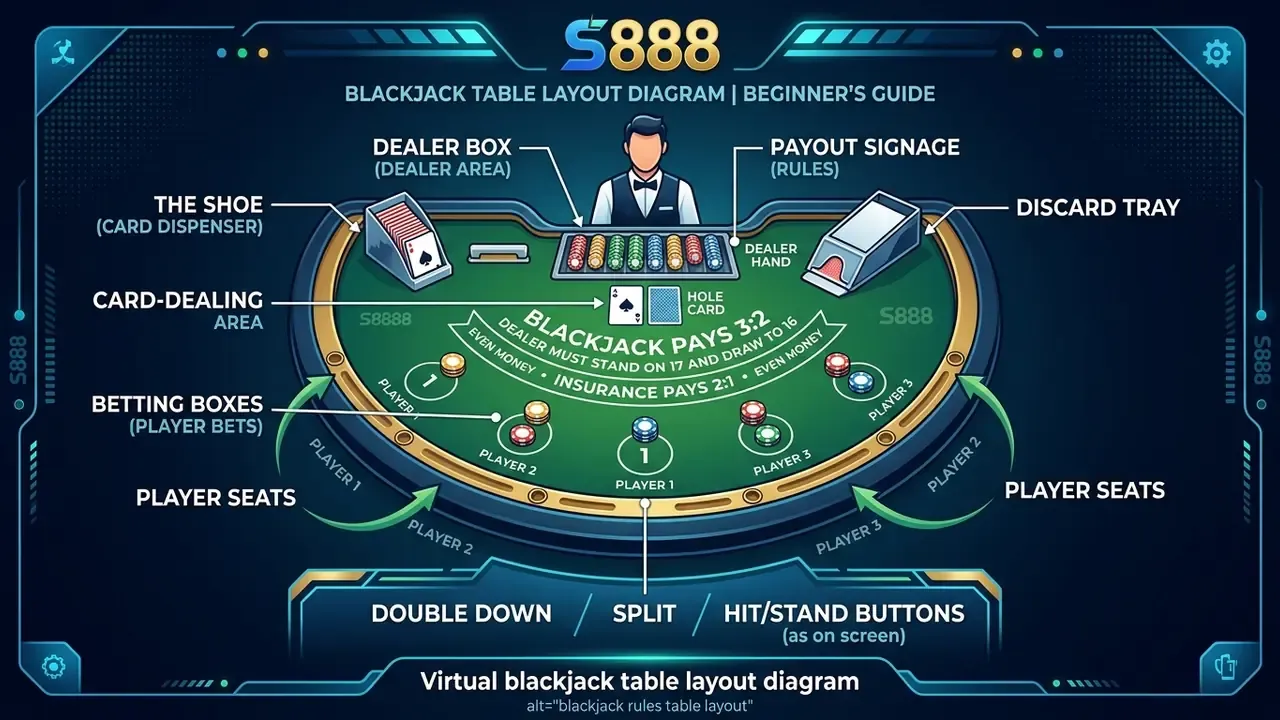
The mathematical objective in a blackjack game is simple to state: finish with a total higher than the dealer's, or stay in the hand while the dealer busts by exceeding 21. If your first two cards are an Ace plus a 10-value card, that is a «natural» or «blackjack», and it earns an elevated payout, typically 3:2, provided the dealer does not hold a natural as well.
When nobody busts and nobody holds an immediate blackjack, the higher total wins the round at even money (1:1). If the player hand and the dealer hand finish level, the round is a «push», a tie, and your original wager comes back untouched.
The dealer has no discretion at all. House rules force a draw on totals of 16 or lower and a stand once a qualifying total of 17 or more is reached. The treatment of soft 17 varies by rule set and provider, and the provider comparison further down shows why that single line item deserves attention.
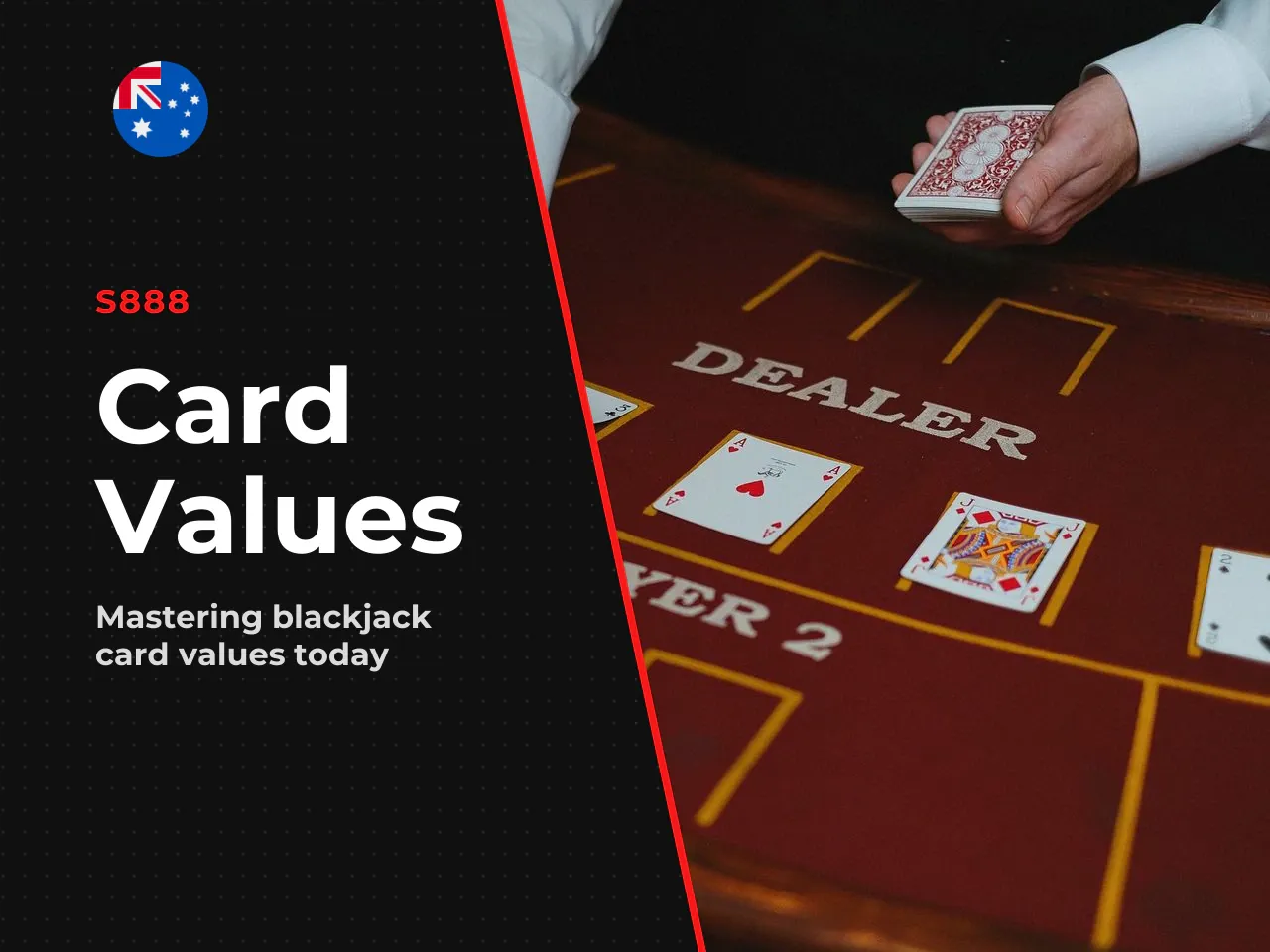
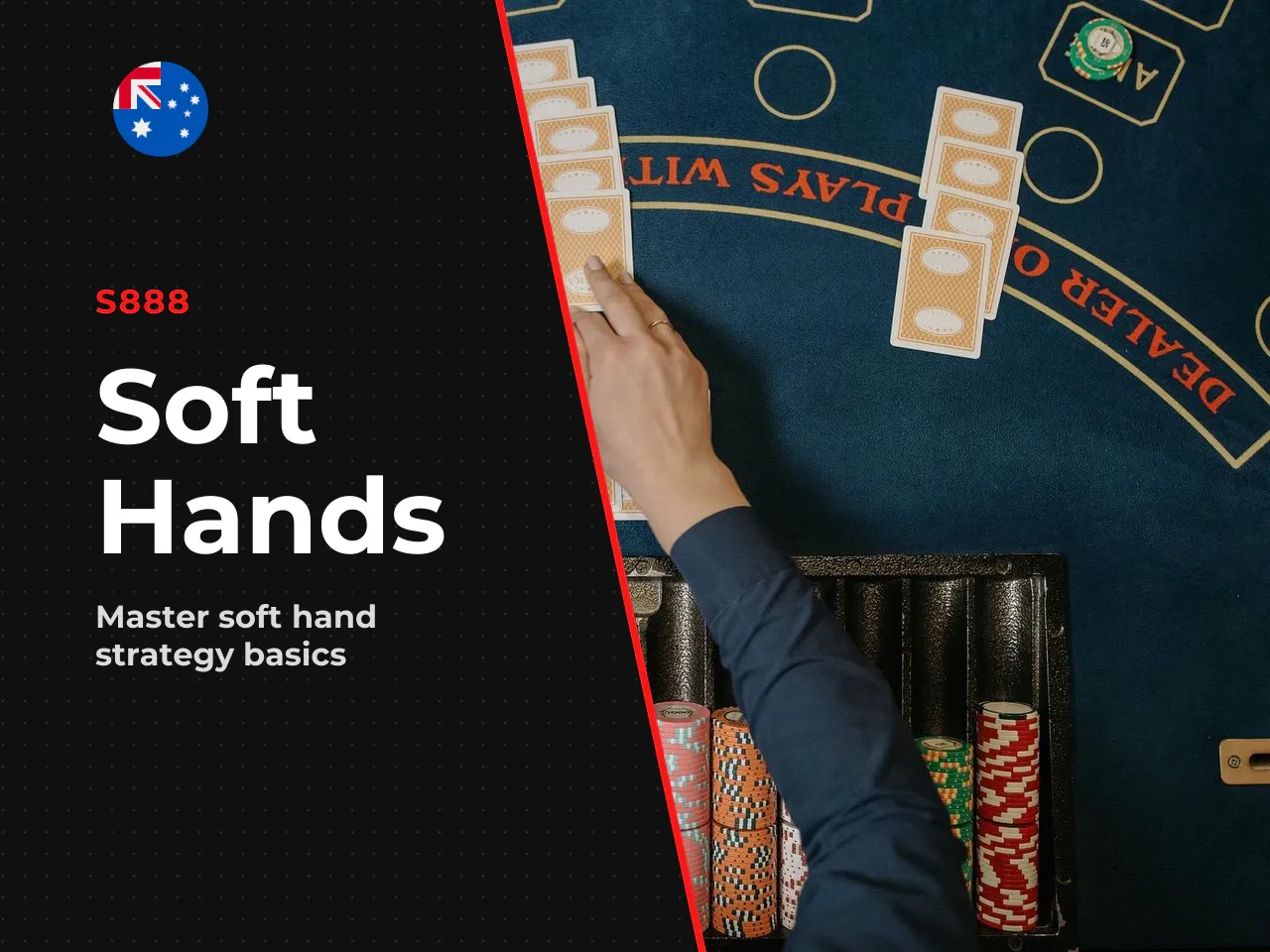
A hand where an Ace counts as 11 is a «soft hand». Ace-6, for instance, is a soft 17, and you can draw another card with no immediate risk of busting. A hand with no Ace, or one where the Ace must count as 1 to stay under 21, is a «hard hand». Both 10-7 and Ace-5-10 are a hard 17.
[⚠️ ALERT BOX: the hidden 3:2 vs 6:5 payout trap]
Always check the felt (or the game info panel) before your first bet:
• At 3:2, a $10 natural returns $15 in net profit.
• At 6:5, the same $10 natural returns only $12 in net profit.

Mathematical effect: moving a table from 3:2 to 6:5 lifts the house edge by roughly +1.39%, which more than cancels out the entire advantage you gain from playing perfect basic strategy. Avoid 6:5 tables, and treat any table paying a natural at 1:1 (outside Blackjack Switch, where 1:1 is built into the rule set) as a structural red flag.
Plenty of guides note that a natural «usually pays 3:2 or 6:5, depending on the casino» and then move on. That casual line hides the most expensive decision an online blackjack player ever makes. Table selection outweighs every in-hand decision you will take during the session. Every single one.
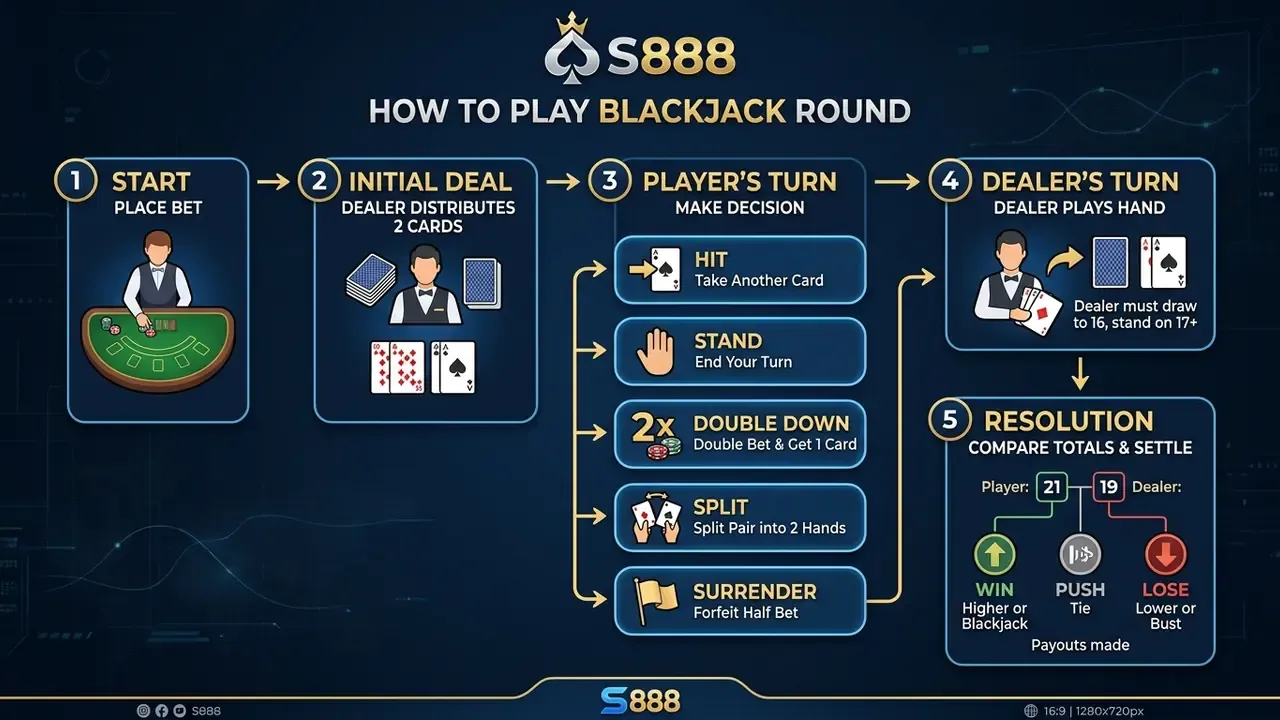
A standard round of blackjack follows a strict sequence: place bets, deal two cards, work through the player decision phase, let the dealer resolve under fixed house rules, then settle payouts.
«If the player's total exceeds 21 the hand is lost immediately; if the dealer exceeds 21 while the player has not, the player wins an amount equal to the original wager.» — Baldwin, Cantey, Maisel & McDermott lineage of blackjack expectation research, as summarised in Basic strategy and expectation in casino Blackjack, ScienceDirect (1974). https://www.sciencedirect.com/science/article/pii/0377221774900413
Dealer decisions in a physical casino are logged from hand signals rather than spoken instructions, which is why players who move between venues and screens benefit from a direct mapping of the two interfaces.
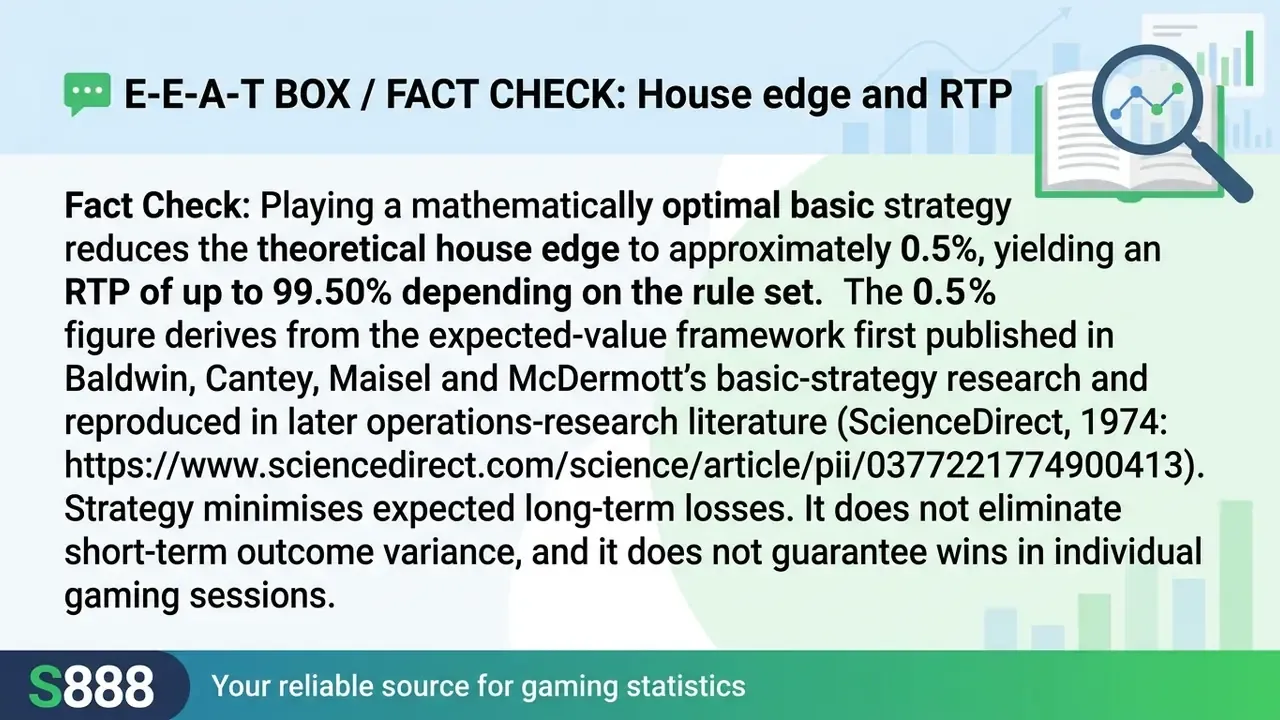
When the dealer's face-up card is an Ace, the table offers an «Insurance» side bet, paying 2:1 if the dealer's downcard is a 10-value card. Mathematically it is expensive: figures above 7% house edge are commonly cited for multi-deck games, and the precise value shifts with deck composition and the number of ten-value cards already exposed. Under optimal basic strategy, for a player who is not counting cards, insurance is declined in every single situation.
Some rule sets permit «Surrender», early or late, letting you forfeit half the wager and abandon a weak starting hand before the dealer completes the round. Early surrender resolves before the dealer checks for blackjack. Late surrender, far more common online, resolves only after that check confirms the dealer has no natural.
Outcomes settle in four ways: player win at 1:1, natural blackjack at 3:2 (or 6:5 on unfavourable tables), push with the stake returned, or loss of the stake through a bust or an inferior total.
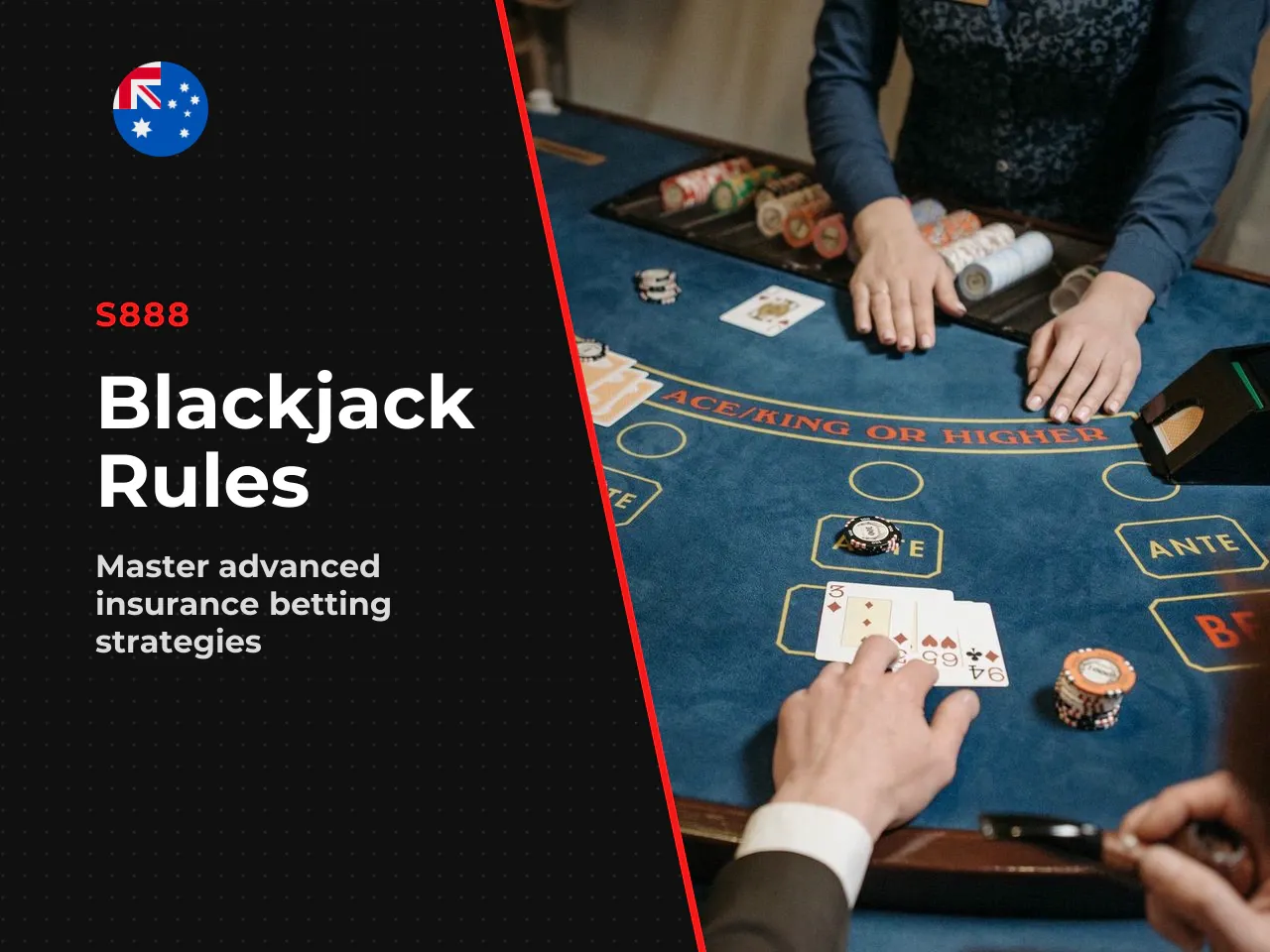
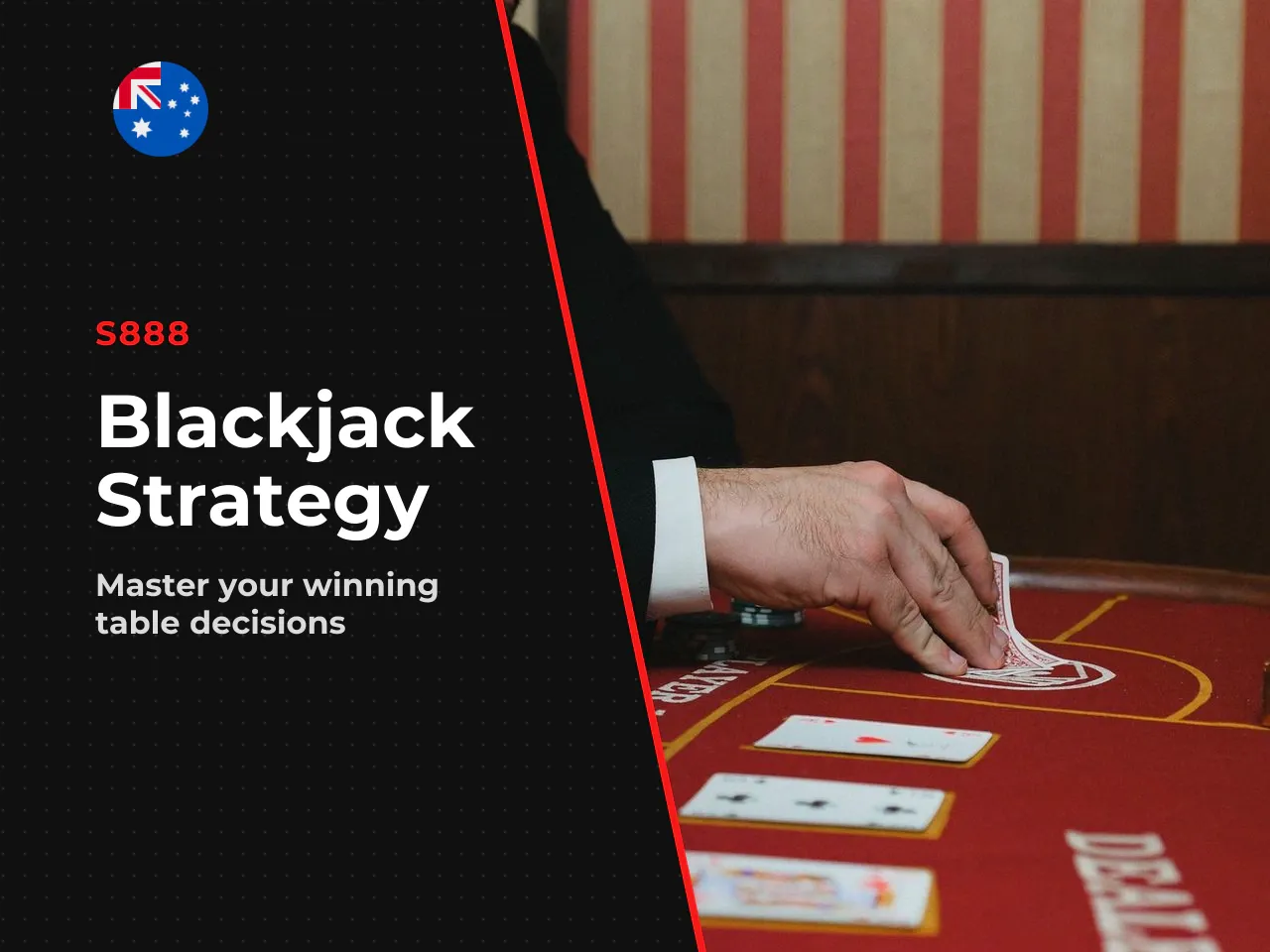
Blackjack strategy is derived from probability theory. For every combination of player total and dealer upcard, it identifies the action, Hit, Stand, Double or Split, that maximises expected monetary value (EV).
«Blackjack is formally modelled as a stochastic game of imperfect information, in which optimal strategies depend on the specific rule set and the composition of the deck.» — A Formal Game-Theoretic Model of Blackjack: Strategic Decision-Making under Imperfect Information, SSRN preprint (mid-2020s). https://papers.ssrn.com/sol3/papers.cfm?abstract_id=blackjack-game-theory
The chart below is the working tool. Find your hand in the left column, the dealer's upcard across the top, and play the indicated action. H = Hit, S = Stand, D = Double (Hit if doubling is not allowed), P = Split, Rs = Surrender if permitted, otherwise Hit.
Hard totals
| Your hand | 2 | 3 | 4 | 5 | 6 | 7 | 8 | 9 | 10 | A |
|---|---|---|---|---|---|---|---|---|---|---|
| 17–21 | S | S | S | S | S | S | S | S | S | S |
| 16 | S | S | S | S | S | H | H | Rs | Rs | Rs |
| 15 | S | S | S | S | S | H | H | H | Rs | H |
| 13–14 | S | S | S | S | S | H | H | H | H | H |
| 12 | H | H | S | S | S | H | H | H | H | H |
| 11 | D | D | D | D | D | D | D | D | D | H |
| 10 | D | D | D | D | D | D | D | D | H | H |
| 9 | H | D | D | D | D | H | H | H | H | H |
| 5–8 | H | H | H | H | H | H | H | H | H | H |
Soft totals
| Your hand | 2 | 3 | 4 | 5 | 6 | 7 | 8 | 9 | 10 | A |
|---|---|---|---|---|---|---|---|---|---|---|
| A,9 (20) | S | S | S | S | S | S | S | S | S | S |
| A,8 (19) | S | S | S | S | S | S | S | S | S | S |
| A,7 (18) | S | D | D | D | D | S | S | H | H | H |
| A,6 (17) | H | D | D | D | D | H | H | H | H | H |
| A,4–A,5 | H | H | D | D | D | H | H | H | H | H |
| A,2–A,3 | H | H | H | D | D | H | H | H | H | H |
Pairs
| Your pair | 2 | 3 | 4 | 5 | 6 | 7 | 8 | 9 | 10 | A |
|---|---|---|---|---|---|---|---|---|---|---|
| A,A | P | P | P | P | P | P | P | P | P | P |
| 10,10 | S | S | S | S | S | S | S | S | S | S |
| 9,9 | P | P | P | P | P | S | P | P | S | S |
| 8,8 | P | P | P | P | P | P | P | P | P | P |
| 7,7 | P | P | P | P | P | P | H | H | H | H |
| 6,6 | P | P | P | P | P | H | H | H | H | H |
| 5,5 | D | D | D | D | D | D | D | D | H | H |
| 4,4 | H | H | H | P | P | H | H | H | H | H |
| 2,2 / 3,3 | P | P | P | P | P | P | H | H | H | H |
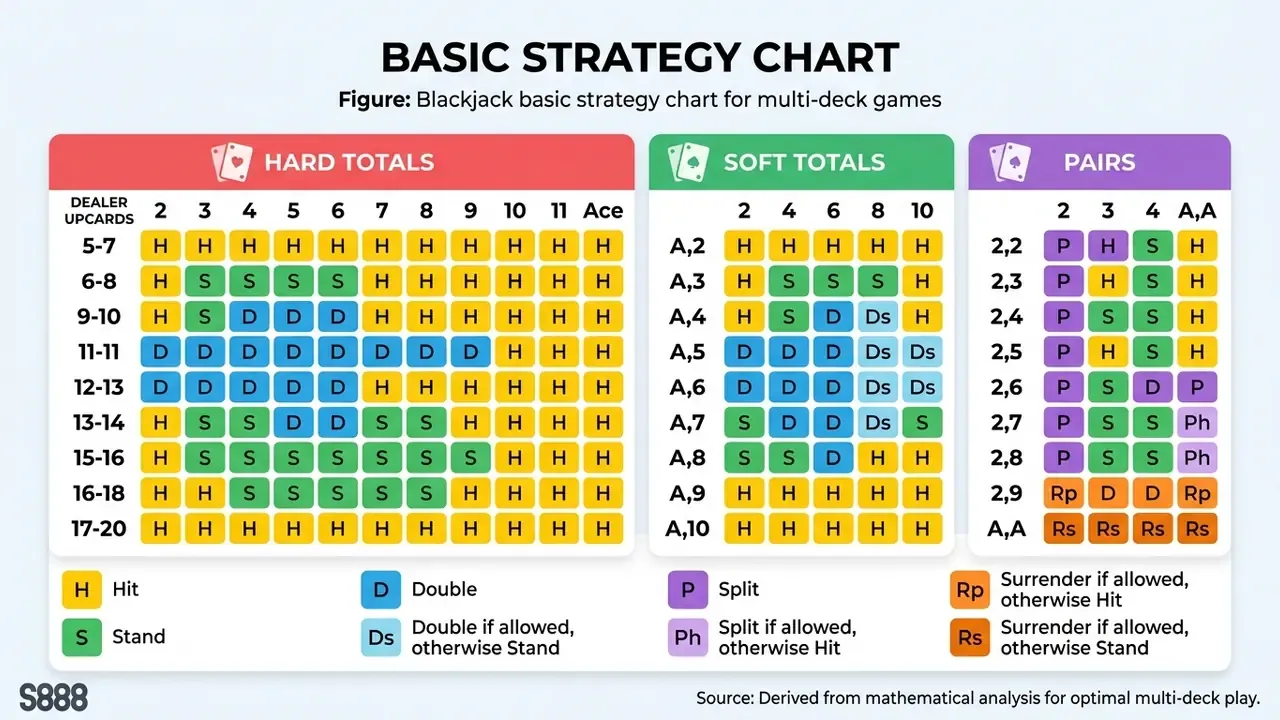
A small practical note from testing charts at low stakes: the decisions people fluff most often are hard 12 against a dealer 2 or 3, and soft 18 against a 9 or 10. Both feel wrong. Both are correct.
In a land-based casino a disciplined Hi-Lo count can, in theory, erode and sometimes reverse the house edge. Online, two structural constraints get in the way:
Conclusion: online, the return on effort lies in flawless basic strategy, correct table selection (3:2 payouts, dealer stands on soft 17, late surrender, DAS) and bankroll discipline. Not in counting.
Strategy optimises decisions, but card dealing stays a stochastic process. Individual rounds answer to variance, which most people just call luck. Progressive betting models such as the Martingale system cannot overcome the baseline house edge, because table limits and a finite bankroll prevent infinite doubling through a losing streak. A negative-expectation game does not turn positive when the stake size changes. Only the shape of the risk changes, along with the probability of ruin.
«The broader the availability of continuous casino formats and the longer they operate, the higher the recorded prevalence of problem gambling.» — Problem Gambling – an overview, ScienceDirect. https://www.sciencedirect.com/topics/psychology/problem-gambling
Online platforms deliver blackjack in two core software formats, plus a spread of rule variations that move the theoretical Return to Player (RTP) around noticeably.
«Overall online gambling participation among Australian adults reached 33.4% in 2024, with sports betting the most heavily online format at 94.2% online participation.» — Suomi, Hahn & Biddle, Gambling participation in Australia 2024 – Trends over time, and profiles associated with online gambling, ANU Centre for Gambling Research (2024). https://www.anu.edu.au/news/all-news/fewer-australians-gambled-in-2024-than-in-2019-but-how-they-gambled-is-more-of-a-worry
| Parameter | RNG Blackjack | Live Dealer Blackjack | European Blackjack | Atlantic City Blackjack | Blackjack Switch |
|---|---|---|---|---|---|
| Dealer type | Virtual (RNG algorithm) | Real human (live video) | Human or virtual | Human or virtual | Human or virtual |
| Pace | Fast (instant play) | Moderate (timed rounds) | Standard | Standard | Standard |
| Hole card rules | Varies by software | Varies by provider | No hole card (no peek) | Hole card (peeks for BJ) | Hole card used |
| Key feature | Practice and demo modes available | Immersive casino streaming | Dealer takes 2nd card after player actions | Late surrender allowed; 8 decks | Play 2 hands; switch top cards |
| Theoretical RTP | ~99.50% (standard rules) | ~99.50% (standard rules) | ~99.39% | ~99.77% | ~98.42% (dealer 22 push) |
Comparing formats in practice? RNG and live-dealer tables sit side by side with published rule sheets and verified RNG certification on our iGaming casino hub.
RNG (random number generator) blackjack uses cryptographic algorithms to simulate shuffling and dealing. Every round is mathematically independent, which removes the shoe-penetration variables you find at physical tables. The practical advantages of RNG formats: instant deal speeds, lower minimum table limits, no decision timer, and free demo modes available almost everywhere. For learning a chart, that combination is hard to beat.
Blackjack live dealer formats stream a human dealer from a studio in real time. You place digital wagers while physical cards land on an OCR-enabled table, where optical character recognition reads each card and updates the interface. The format gives you a visible dealing sequence, multi-player seat selection, optional side wagers such as Perfect Pairs and 21+3, and a chat channel, at a pace close to a land-based casino table.
One caution. A chat window and a human dealer should not be read as evidence that live formats are somehow socially protective. Marketing narratives around «social» live play are not supported by participation research:
«Online gamblers were more likely to report having felt lonely in the past week than those who gambled only in venues.» — ANU Policy Brief, Fewer Australians gambled in 2024 than in 2019 – but how they gambled is more of a worry (2024). https://www.anu.edu.au/news/all-news/fewer-australians-gambled-in-2024-than-in-2019-but-how-they-gambled-is-more-of-a-worry
Rule details differ between studios, and those details shift the house edge far more than table aesthetics ever will. Verify the rule sheet in the game info panel before you sit down.
| Software provider | Dealer on soft 17 | Split rules | Side bets | Signature feature |
|---|---|---|---|---|
| Evolution | Stands on all 17s | One split per hand; no double after split on core tables | Perfect Pairs, 21+3, Bust It | Infinite Blackjack (unlimited seats per table) |
| Pragmatic Play | Stands on all 17s | Double after split permitted | Perfect Pairs, 21+3 | Multiplier-enhanced tables (Privé Lounge) |
| Visionary iGaming (ViG) | Hits soft 17 | Double after split permitted, except on split Aces | Pairs, Rummy | Six decks shuffled manually on camera |
| LuckyStreak | Stands on all 17s | One split permitted | Perfect Pairs, 21+3 | Classic interface with high-bitrate streaming |
Look closely at the ViG entry. A dealer who hits soft 17 costs the player roughly 0.2% in expected value against a stand-on-all-17s table, so manual shuffling on camera, which many players genuinely appreciate for transparency, should not be traded off against the underlying rule.
Understanding the boundary between demo modes and real-money wagering matters before you touch any platform. Functionally and legally, they are not the same product.
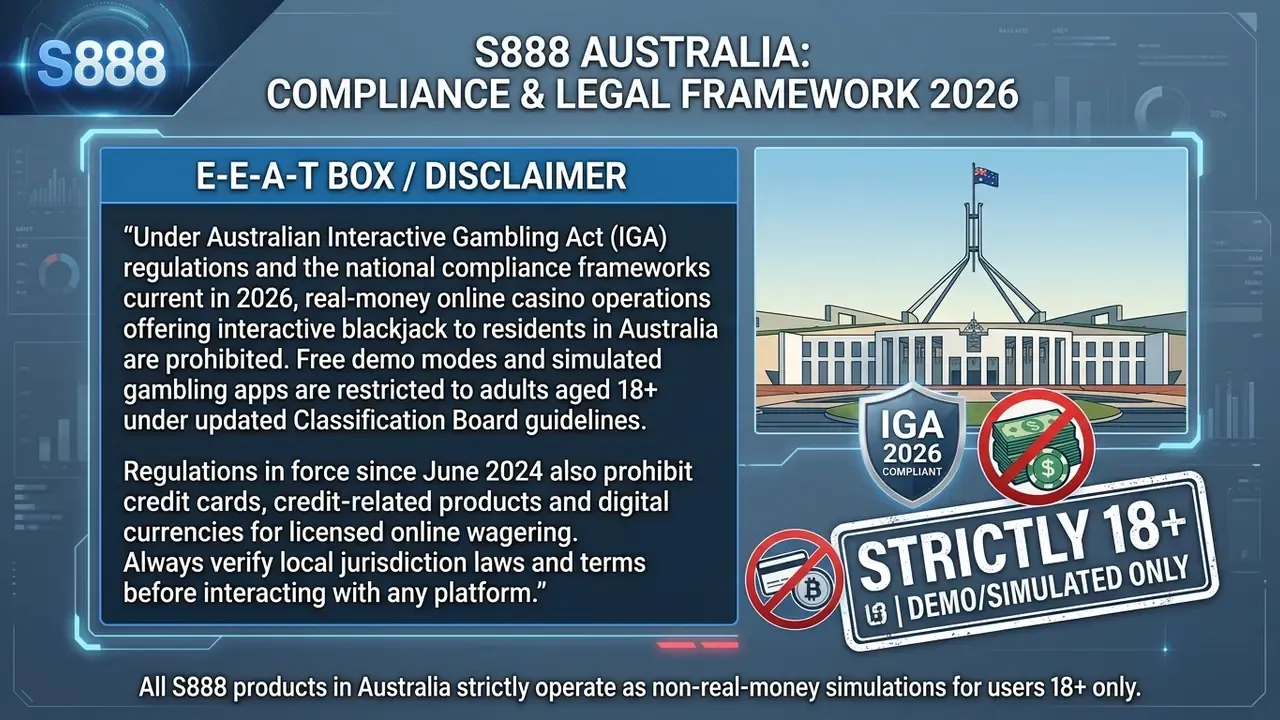
Free blackjack demo versions run on virtual credit balances. They give you a risk-free space to:
Demo modes pay no real cash and require no account funding. The difference is transactional: demo play exercises the interface and the rule set, while real-money play runs wagering, settlement and payout logic. The difference is also psychological, and that part gets underrated. Anticipation of gain and fear of loss only show up when the balance is real, which is exactly why strategy discipline should be built in demo mode first.
«From September 2024, games containing simulated gambling, including social casino products, carry a mandatory minimum R18+ classification in Australia under the updated Guidelines for the Classification of Computer Games 2023.» — Classification Board, New mandatory minimum classifications for gambling-like games content (2023/2024). https://www.classification.gov.au/classification-ratings/what-ratings-mean/new-mandatory-minimum-classifications-gambling-games-content
Disclaimer: This information is general in nature and is not legal advice. Online casino services offering real-money blackjack to Australian residents are classified as prohibited interactive gambling services under the Interactive Gambling Act 2001.
Real money blackjack introduces genuine financial risk, cash settlement mechanics and strict identity verification. Readers at this stage should review the criteria for choosing an online casino before funding an account.
Across technical reviews of online casinos, three parameters keep deciding real-money quality: operational security, wagering compliance and payment processing efficiency. Before you create an account or deposit, inspect verifiable SSL/TLS encryption certificates, RNG testing reports from independent labs such as eCOGRA or iTech Labs, and payout processing terms written in plain language.
Practical considerations that never appear in demo mode include table minimum and maximum limits, which quietly cap any progression system; KYC document turnaround before a first withdrawal; withdrawal windows plus daily and monthly caps; and the currency-conversion or payment-provider fees applied to each transaction. A $2 fee looks trivial until you notice it applies per withdrawal, every time.
Choosing a platform is a systematic job: compliance credentials, bonus terms, payment friction, technical reliability. In that order, ideally.
[❓ CHECKLIST: Choosing a reliable blackjack casino
Licence and regulation: a verifiable licence (MGA, UKGC, Curaçao) checked against the regulator's public register.
RNG certification: published RNG and RTP test reports from eCOGRA, iTech Labs or GLI.
Transparent bonus terms: documented blackjack contribution (weighting), max-bet caps and time limits.
Payment methods: secure deposit and withdrawal rails with no hidden cash-out fees.
Mobile readiness: stable live streams and responsive RNG interfaces on iOS and Android.
Rule transparency: payout for a natural (3:2 vs 6:5), soft-17 rule, DAS and surrender stated in the game info panel.
Safer gambling tools: deposit, loss and session limits plus self-exclusion available inside the account, not by email request.]
With the criteria in front of you, compare [licensed casino platforms](https://s888-official.com) line by line rather than by bonus headline.
Tier-1 jurisdictions such as the Malta Gaming Authority (MGA) and the UK Gambling Commission (UKGC) impose strict player fund segregation and operational security criteria, including mandatory independent RNG testing and documented data-protection controls. Curaçao licensing, historically issued through master-licence structures, is materially less prescriptive, which shifts the verification burden onto you. Independent auditors, eCOGRA, iTech Labs and GLI among them, analyse game log history to confirm that random number generators and declared theoretical RTP line up with actual payout data.
«Australians who use illegal offshore gambling services have minimal consumer protection and risk losing their money in an environment without harm-minimisation measures.» — ACMA, Enforcement and disruption action: July to September 2023 (2023). https://www.acma.gov.au/enforcement-and-disruption-action-july-september-2023
Do not open an account or deposit if a platform shows even one of these symptoms:
Worth logging before you deposit as well: above-market wagering requirements, x50 and higher on a deposit-plus-bonus basis, aggressive bonus expiry windows, account closures with no reason given, and support agents who cannot answer a direct question about blackjack's contribution weighting. That last one is a good live test. Ask it in chat and time the reply.
[🧮 INTERACTIVE TOOL: Blackjack bonus wagering calculator]
Formula for required turnover (playthrough):
Real turnover = (Deposit + Bonus) × Wagering multiplier ÷ Game contribution

Worked example:
• Deposit: $100 | Bonus: 100% ($100) | Combined: $200
• Wagering: x30 | Blackjack contribution: 10% (0.10)
• Calculation: ($200 × 30) ÷ 0.10 = $60,000 in required bet turnover.

⚠️ If the contribution drops to 5%, the same bonus demands $120,000 in turnover. Prefer offers with a blackjack contribution of at least 10% to 20% and a wagering multiplier no higher than x35, and model the number before you accept the promotion.
Apply that to a common scenario: deposit $20, receive $20 in bonus funds, x35 wagering. The headline playthrough is $700 on slots at 100% contribution. On blackjack at 10%, the same terms demand $7,000 in turnover. That gap, not the size of the bonus, decides whether an offer is usable for a blackjack player at all.
Modern platforms support a range of secure payment methods, including debit cards, bank transfers and e-wallets. In Australia, regulations enacted in June 2024 prohibit credit cards, credit-related products and digital currencies, cryptocurrency included, for licensed online wagering.
«The ban on credit cards, credit-related products and digital currency for online wagering commenced on 11 June 2024.» — ACMA, Compliance Priority Report 2024–25. https://www.acma.gov.au/compliance-priority-report-2024-25
Fast payouts, transparent daily and monthly withdrawal limits and properly responsive HTML5 mobile play are practical quality benchmarks. For live blackjack, mobile stability is a functional requirement rather than a nicety: a dropped stream inside a 12-second decision window defaults your hand to Stand, and the round is gone.
Disclaimer: This information is general in nature and does not replace advice from a qualified problem-gambling clinician. If you notice signs of dependency, contact Gambling Help Online on 1800 858 858.
Responsible gambling starts with a framing choice: blackjack is a paid form of entertainment, not an investment and not an income strategy.
[🚨 ALERT BOX: Safer play and support
• Set strict deposit, loss and time limits before you open any game session.
• Never chase losses, and never gamble with borrowed funds or essential living money.
• Use automated tools such as Game Break or self-exclusion when control slips.
• National support (Australia): BetStop (betstop.gov.au) and Gambling Help Online: 1800 858 858.
• International support: GamCare (gamcare.org.uk) and Gambling Therapy (gamblingtherapy.org).]
Play deliberately: deposit limits and time-out tools are documented alongside every game format on our iGaming casino hub. Review the responsible gambling features before registering.
Effective bankroll management depends on boundaries set before the session, not during it:
«Despite a small decline in overall participation, high-risk gambling, betting money you cannot afford to lose, has likely returned to pre-pandemic levels.» — ANU Policy Brief, Fewer Australians gambled in 2024 than in 2019 – but how they gambled is more of a worry (2024). https://www.anu.edu.au/news/all-news/fewer-australians-gambled-in-2024-than-in-2019-but-how-they-gambled-is-more-of-a-worry
«Redesigning a monetary limit tool using human–computer interaction and persuasive system design principles increased its use and supported more responsible player behaviour.» — Building it better: Applying human–computer interaction and persuasive system design principles to a monetary limit tool improves responsible gambling, ScienceDirect (2014). https://www.sciencedirect.com/science/article/pii/S0747563214002143
«BetStop allows a person to exclude themselves from all licensed online wagering services in a single step, for a period ranging from three months to a lifetime.» — Australian Government Response to the House of Representatives Inquiry into Online Gambling (2024). https://www.ag.gov.au/crime-and-corruption/publications/government-response-online-gambling-inquiry
Editorial note: this guide is informational and does not constitute legal, financial or medical advice. Gambling involves risk of financial loss. 18+ only. Verify the law in your own jurisdiction before playing.